Title: Argentina's Financial Tango: How a US Peso Play Could Rewrite Global Economics
Okay, folks, buckle up. What’s happening down in Argentina with the US Treasury and the peso is way more than just some financial maneuvering. This could be a sneak peek into a whole new era of global economic interaction, and honestly, it’s got my head spinning with possibilities.
Here's the gist: the US Treasury apparently bought a bunch of pesos ahead of Argentina’s elections to stabilize their currency, and then, according to some sharp-eyed Argentine economists, sold them off for a tidy profit. Now, the official line is that this proves the US isn't just handing out free money. But what if it's something far bigger?
A New Kind of Global Power Play?
Think about it. We’re talking about a scenario where one country subtly influences another's economy, not through brute force or loans with strings attached, but through strategic currency interventions. It’s like…economic aikido, using your opponent's momentum to your advantage. Is this the future of diplomacy? Forget aircraft carriers; are currency reserves the new power projection?
Economist Christian Buteler pointed out the lack of transparency around the operation, saying, "These are all assumptions we make based on various documents presented by the Central Bank, because officially — and for me, that is perhaps the biggest mistake being made — there is no official information." It’s true, we're piecing together clues from balance sheets and analyst interpretations, but the implications are too massive to ignore. What if this becomes the norm? What if nations start using currency markets as chessboards, with economies as the pawns?
And that brings me to the ethical tightrope we're walking. On one hand, stabilizing a currency during an election could prevent chaos and suffering. On the other, is it right for one country to meddle in another's financial affairs, even with good intentions? It’s a slippery slope, and we need to be asking these questions now before this becomes standard practice.
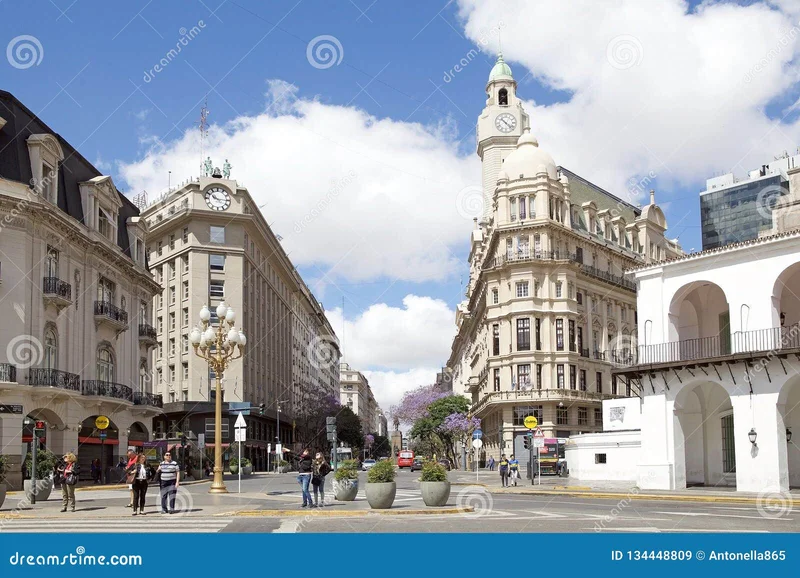
The Argentine economists are suggesting the US Treasury didn't just buy pesos, but also short-term government debt. This is where things get interesting. Pablo Moldovan, director of C-P consultancy, noted that the balance sheet shows “a series of movements suggesting that the [US Treasury’s] sale of dollars on the market was offset by the Central Bank taking on debt.” It's like a financial shell game, but the stakes are the economic stability of an entire nation. According to reports, Argentine economists believe the US Treasury has already sold its pesos.
Now, let's not forget the human element. Argentina has been through the wringer economically. This move, whatever its ultimate purpose, could offer a much-needed lifeline. But at what cost? We need to be mindful of the potential for unintended consequences.
This whole situation reminds me of the Bretton Woods agreement after World War II, where the US dollar became the world's reserve currency. That was a paradigm shift that shaped global economics for decades. Could this peso play be another, smaller-scale inflection point? Could we be witnessing the birth of a new financial world order, one where currency manipulation becomes a legitimate tool of statecraft?
What if the US Treasury's actions, far from being a one-off event, signal a broader shift towards proactive economic engagement? Imagine a world where nations work together—really together—to stabilize currencies, prevent crises, and foster global prosperity through coordinated financial strategies. I know, it sounds like a utopian dream, but isn't that what innovation is all about?
This is Just the Beginning
This whole situation is a reminder that the world is changing faster than ever. Argentina's financial tango with the US Treasury might seem like a local affair, but it's a window into a future where economics and geopolitics are intertwined in ways we're only beginning to understand. So, let’s keep our eyes on Argentina, because what happens there could very well shape the financial landscape for all of us.