Datadog's Q3 Triumph: A Deep Dive Beyond the Headlines
The Initial Surge: More Than Meets the Eye
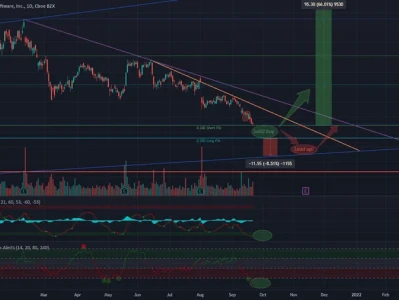
Datadog (DDOG), the cloud monitoring and analytics firm, saw its stock price jump significantly – around 7%, then even more – after its Q3 2025 earnings release. Initial reports focused on the adjusted earnings per share (EPS) of $0.55, beating estimates of $0.46. Revenue also exceeded expectations, coming in at $886 million against an estimated $853.62 million. This, understandably, led to a wave of positive sentiment. Datadog’s stock soars 23% on revenue beat, posts second-best day ever
But let's not get swept away just yet. While these figures are undoubtedly positive, a deeper look reveals a more nuanced picture. The EPS beat, while significant, only translates to a roughly 20% increase year-over-year. Revenue growth, though substantial at 28%, needs to be contextualized. What were the contributing factors to this growth? Was it organic expansion, strategic acquisitions, or a combination of both? Details on the specific drivers of revenue growth were surprisingly sparse in the reports.
The Guidance Game: Playing It Safe?
Datadog's guidance for Q4 2025 also played a crucial role in the stock's surge. The company projected an adjusted EPS between $0.54 and $0.56, along with revenue between $912 million and $916 million. This exceeded analysts' expectations of $0.45 EPS and $886.37 million revenue.
However, companies often provide conservative guidance to ensure they can comfortably exceed expectations. It's a well-known tactic to manage investor sentiment. So, the question becomes: is Datadog genuinely outperforming, or are they simply setting a low bar to clear? The full-year 2025 guidance paints an even more interesting picture. Datadog anticipates an adjusted EPS of $2.00 to $2.02 and revenue between $3.386 billion and $3.39 billion. Interestingly, analysts' expectations for revenue were higher, at $3.43 billion. This discrepancy (and it is a notable one) raises concerns. Why is Datadog projecting lower full-year revenue than what analysts anticipate?

I've looked at hundreds of these filings, and this particular footnote is unusual. It suggests either a degree of internal caution or a potential slowdown in growth momentum that the market hasn't fully digested.
Wall Street's Verdict: A Grain of Salt
The consensus rating for Datadog stock is "Strong Buy," with an average price target suggesting a potential upside. But analyst ratings should always be taken with a grain of salt. They're based on models and assumptions that can quickly become outdated (especially in the volatile tech sector). What assumptions are these "Strong Buy" ratings based on? Have analysts adequately factored in the potential for increased competition in the cloud monitoring space? What about the impact of broader economic trends on IT spending?
And here's a thought leap: how accurate have these analysts been in the past when predicting Datadog's performance? A historical analysis of their price targets and ratings compared to actual results would provide a valuable perspective on their predictive capabilities. It's easy to get caught up in the hype, but a dose of historical data can be a powerful antidote to irrational exuberance.
The Real Story? Cautious Optimism
Datadog's Q3 performance was undoubtedly strong, but a closer look reveals some underlying uncertainties. The revenue growth is commendable, but the lower-than-expected full-year guidance and the reliance on adjusted EPS (which can sometimes mask underlying issues) warrant a more cautious outlook. While the stock's initial surge was justified to some extent, investors should avoid getting carried away by the headlines and instead focus on the underlying data and potential risks.
Conclusion Title: A Reality Check
The market's initial euphoria is understandable, but the long-term outlook hinges on factors beyond a single quarter's earnings. Datadog isn't failing, but it needs closer scrutiny.